AC9E2LA05 Navigate print and screen texts using chapters, tables of contents, indexes, side-bar menus, drop-down menus or links
AC9E2LA08 Understand that images add to or multiply the meanings of a text
AC9E2LE01 Discuss how characters and settings are connected in literature created by First Nations Australian, and wide-ranging Australian and world authors and illustrators
AC9E2LE02 Identify features of literary texts, such as characters and settings, and give reasons for personal preferences
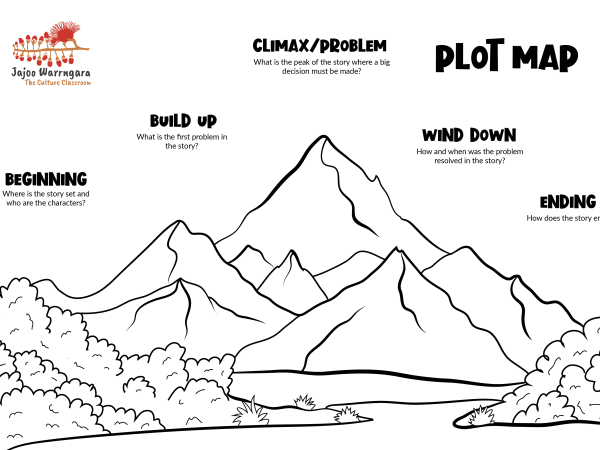
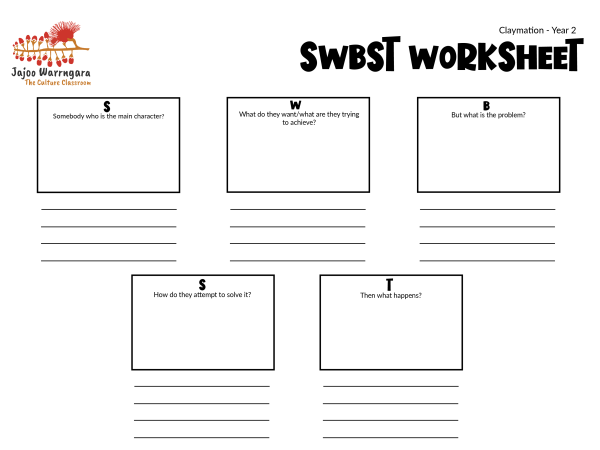
AC9E2LE05 Create and edit literary texts by adapting structures and language features of familiar literary texts through drawing, writing, performance and digital tools
AC9E2LY02 Use interaction skills when engaging with topics, actively listening to others, receiving instructions and extending own ideas, speaking appropriately, expressing and responding to opinions, making statements, and giving instructions
AC9E2LY03 Identify the purpose and audience of imaginative, informative and persuasive texts
AC9E2LY06 Create and edit short imaginative, informative and persuasive written and/or multimodal texts for familiar audiences, using text structure appropriate to purpose, simple and compound sentences, noun groups and verb groups, topic-specific vocabulary, simple punctuation and common 2-syllable words
AC9E2LY07 Create, rehearse and deliver short oral and/or multimodal presentations for familiar audiences and purposes, using text structure appropriate to purpose and topic-specific vocabulary, and varying tone, volume and pace
AC9E2LY09 Manipulate more complex sounds in spoken words and use knowledge of blending, segmenting, phoneme deletion and phoneme substitution to read and write words