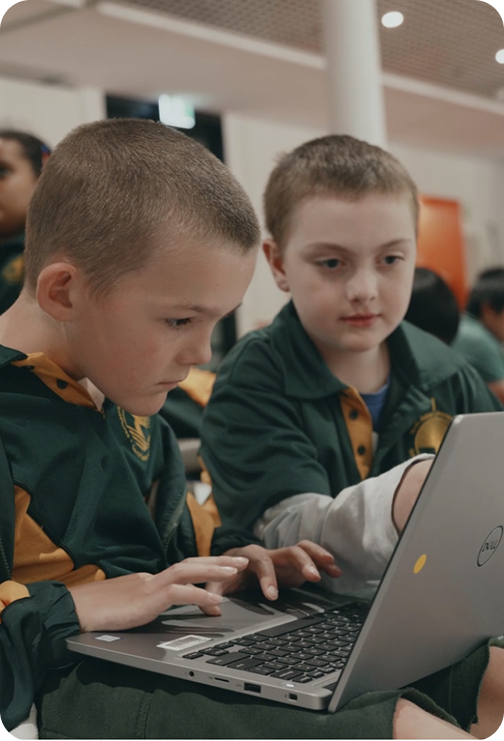
Students explore concepts of resilience, determination and perseverance. They discuss their personal and social responsibilities to care for others and the environment.


Aboriginal and Torres Strait Islander Histories and Cultures | Geography
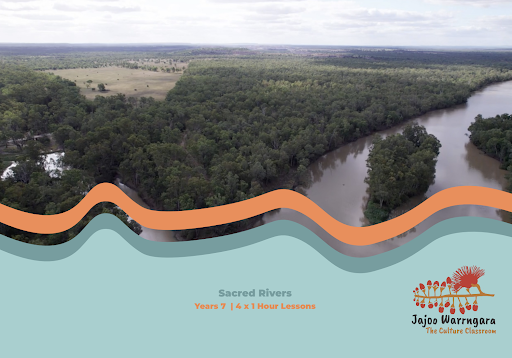
In this unit, students explore the importance of rivers for nourishing ecosystems and facilitating trade in First Nations communities both pre and post colonisation. They make diagrams, create comparative frameworks, and reimagine environmentally sustainable futures using digital design technologies


 +111 potential users

You are currently on a free plan.
Please upgrade to access the unit.
You are currently on a single band plan. Please upgrade to access this unit!

Warning
Aboriginal and Torres Strait Islander viewers are warned that the content on this site may contain images and references to deceased persons.

Please confirm you want to block this member.
You will no longer be able to:
Please allow a few minutes for this process to complete.