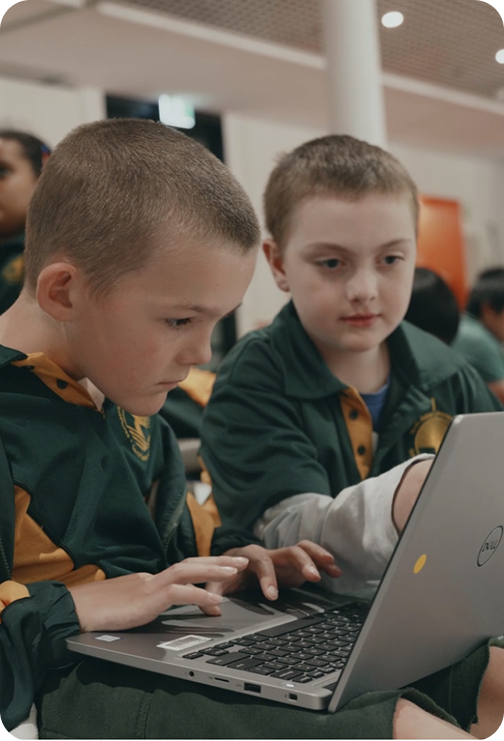
Students investigate how European colonists acquired land in the 1770s. #momentoftruth


Drama | English
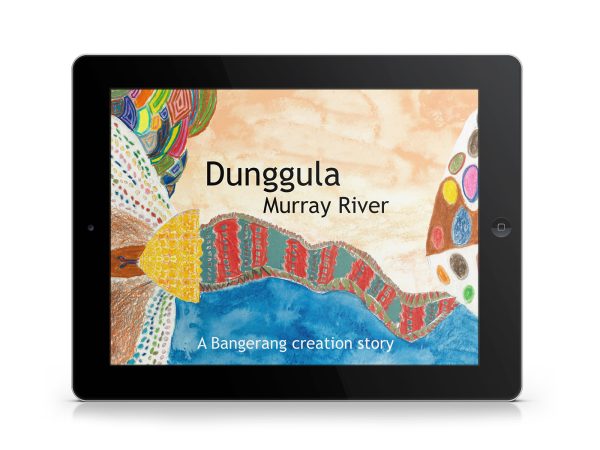
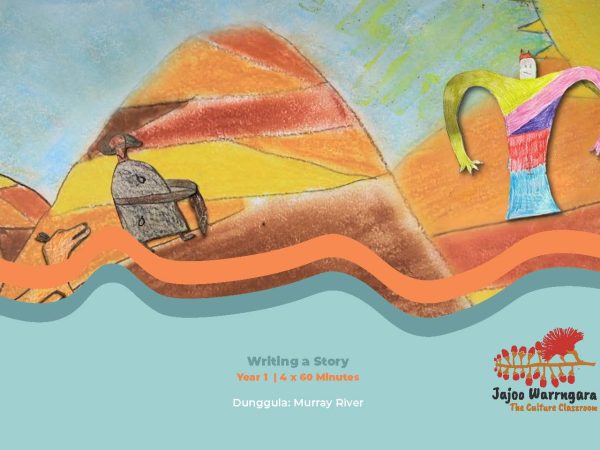
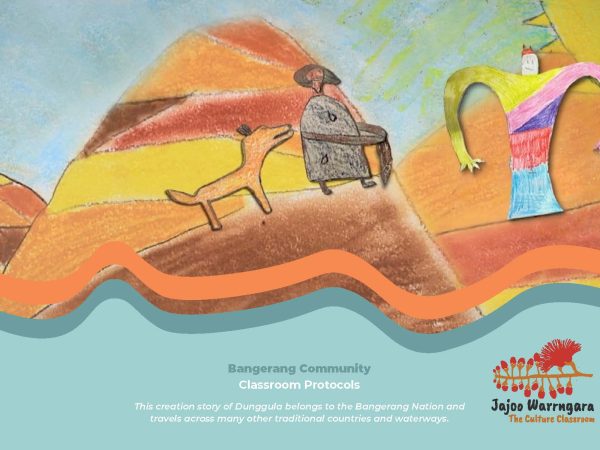
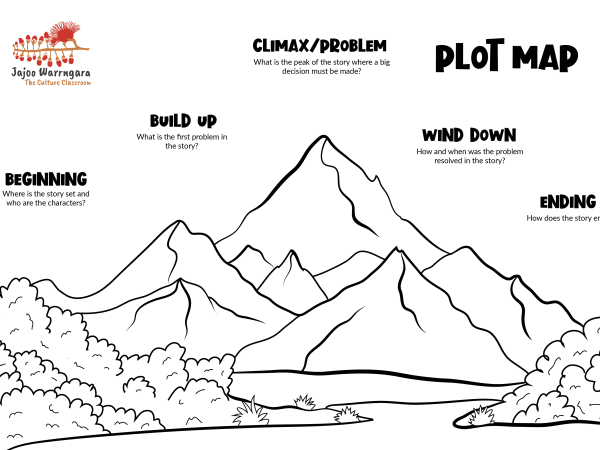
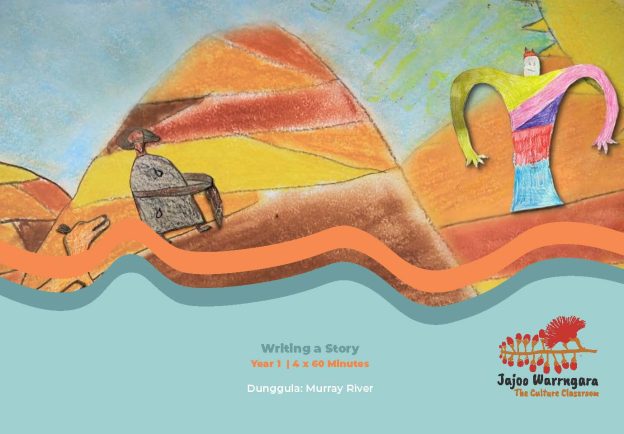
Students explore narrative through First Nations Creation stories and identify the features of different text types. They practise storytelling through performance and play.


 +106 potential users

You are currently on a free plan.
Please upgrade to access the unit.
You are currently on a single band plan. Please upgrade to access this unit!

Warning
Aboriginal and Torres Strait Islander viewers are warned that the content on this site may contain images and references to deceased persons.

Please confirm you want to block this member.
You will no longer be able to:
Please allow a few minutes for this process to complete.