Learning Areas
Science | Visual Arts
In this unit
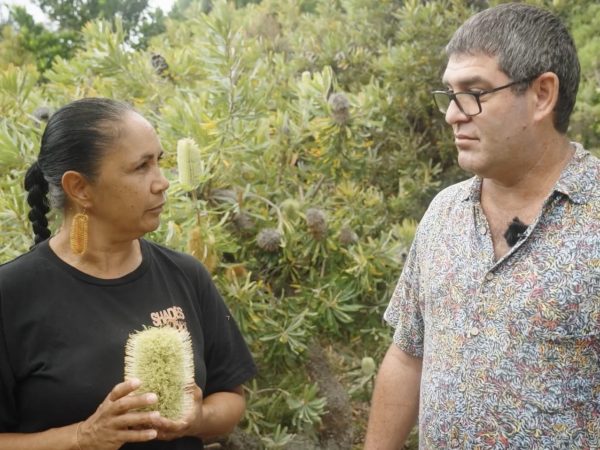
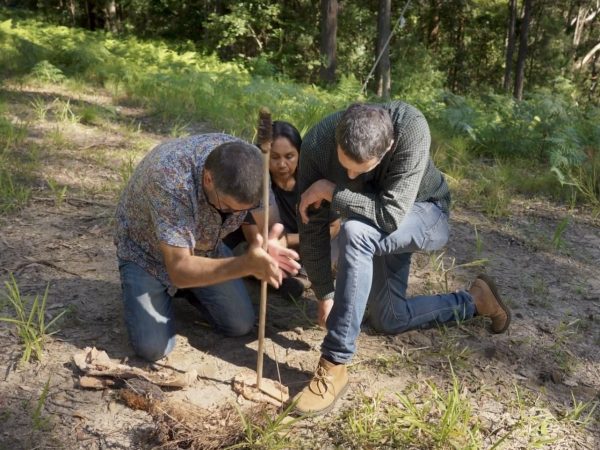
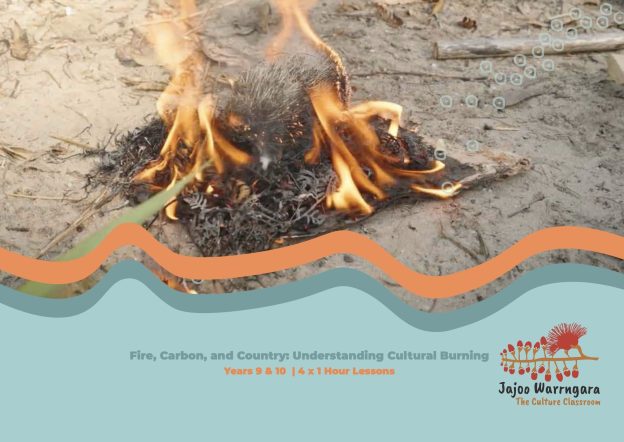
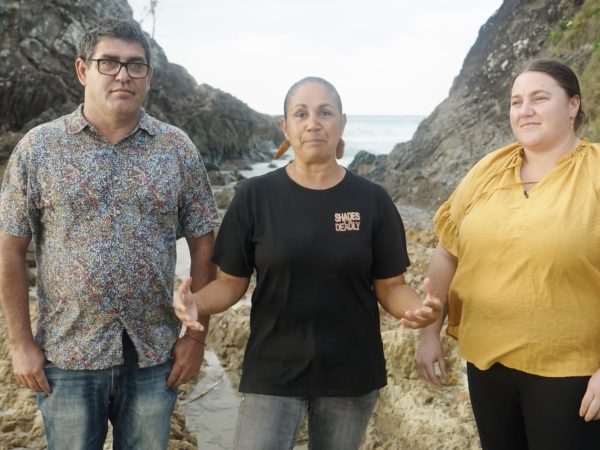
This unit introduces students to the concept of cultural fire management. Students will explore the importance of fire as a tool for ecosystem health, the science of carbon storage, and the respect required to carry out these practices safely. This unit emphasises fire safety, ecological impacts, and the role of government and community organisations in land management.
This unit includes:
Learning Areas
- AC9S9U03
Represent the carbon cycle and examine how key processes including combustion, photosynthesis and respiration rely on interactions between Earth’s spheres (the geosphere, biosphere, hydrosphere and atmosphere) - AC9S9H03
Analyse the key factors that contribute to science knowledge and practices being adopted more broadly by society - AC9S9I07
Construct arguments based on analysis of a variety of evidence to support conclusions or evaluate claims, and consider any ethical issues and cultural protocols associated with accessing, using or citing secondary data or information - AC9S9I08
Write and create texts to communicate ideas, findings and arguments effectively for identified purposes and audiences, including selection of appropriate content, language and text features, using digital tools as appropriate
- AC9AVA10E01
Investigate the ways that artists across cultures, times, places and/or other contexts develop personal expression in their visual arts practice to represent, communicate and/or challenge ideas, perspectives and/or meaning - AC9AVA10E02
Investigate the ways that First Nations Australian artists celebrate and challenge multiple perspectives of Australian identity through their artworks and visual arts practice - AC9AVA10D01
Experiment with visual conventions, visual arts processes and materials to refine skills and develop personal expression - AC9AVA10D02
Reflect on the way they and other visual artists respond to influences to inspire, develop and resolve choices they make in their own visual arts practice - AC9AVA10C01
Evaluate critical feedback when planning, developing and refining their visual arts practice - AC9AVA10C02
Select and manipulate visual conventions, visual arts processes and/or materials to create artworks that reflect personal expression, and represent and/or challenge, ideas, perspectives and/or meaning
General Capabilities
- develop questions to investigate complex issues and topics
- questions developed assist in forming an understanding of why phenomena or issues arise
Cross Curriculum Priorities
Aboriginal and Torres Strait Islander Histories and Cultures
- A_TSICP1
First Nations communities of Australia maintain a deep connection to, and responsibility for, Country/Place and have holistic values and belief systems that are connected to the land, sea, sky and waterways. - A_TSICP2
The occupation and colonisation of Australia by the British, under the now overturned doctrine of terra nullius, were experienced by First Nations Australians as an invasion that denied their occupation of, and connection to, Country/Place. - A_TSICP3
The First Peoples of Australia are the Traditional Owners of Country/Place, protected in Australian Law by the Native Title Act 1993 which recognises pre-existing sovereignty, continuing systems of law and customs, and connection to Country/Place. This recognised legal right provides for economic sustainability and a voice into the development and management of Country/Place.
- A_TSIC1
First Nations Australian societies are diverse and have distinct cultural expressions such as language, customs and beliefs. As First Nations Peoples of Australia, they have the right to maintain, control, protect and develop their cultural expressions, while also maintaining the right to control, protect and develop culture as First Nations Cultural and Intellectual Property. - A_TSIC2
First Nations Australians’ ways of life reflect unique ways of being, knowing, thinking and doing. - A_TSIC3
The First Peoples of Australia (Aboriginal Peoples) belong to the world’s oldest continuous cultures. First Nations Australians demonstrate resilience in the maintenance, practice and revitalisation of culture despite the many historic and enduring impacts of colonisation, and continue to celebrate and share the past, present and future manifestations of their cultures.
- A_TSIP2
First Nations Australians have sophisticated political, economic and social organisation systems, which include family and kinship structures, laws, traditions, customs, land tenure systems, and protocols for strong governance and authority. - A_TSIP3
The significant and ongoing contributions of First Nations Australians and their histories and cultures are acknowledged locally, nationally and globally.
Sustainability
- SS1
All life forms, including human life, are connected through Earth’s systems (geosphere, biosphere, hydrosphere and atmosphere) on which they depend for their wellbeing and survival. - SS2
Sustainable patterns of living require the responsible use of resources, maintenance of clean air, water and soils, and preservation or restoration of healthy environments.
- SW1
World views that recognise the interdependence of Earth’s systems, and value diversity, equity and social justice, are essential for achieving sustainability. - SW2
World views are formed by experiences at personal, local, national and global levels, and are linked to individual, community, business and political actions for sustainability.
- SD1
Sustainably designed products, environments and services aim to minimise the impact on or restore the quality and diversity of environmental, social and economic systems. - SD2
Creative and innovative design is integral to the identification of new ways of sustainable living. - SD3
Sustainable design requires an awareness of place, past practices, research and technological developments, and balanced judgements based on projected environmental, social and economic impacts.
Related Units
Unit Content