Search Results
Students get to know the Jirraginy joo Goorrarndal: Frog and Brolga Multi-touch Book. They begin to learn about Gija people and their Country. Students will explore the concepts of Creation stories, morals and greed.
Explore Gunditjmara Sea Country and Forest Country, investigating ancient midden sites and the unique Cherry Ballart tree. Discover how people, plants and places are connected, then use poetry or art to express ideas of growth, care and belonging.
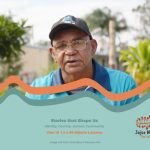
Students will watch several films which reveal both the harsh realities of exclusion and the resilience and joy found in family and community. Students will consider how these stories help us understand the impact of racism on identity and belonging, and why truth-telling is so important.
Through yarning circles and visual mapping activities, students examine these themes before researching and gathering their own local stories from family histories, community accounts or national movements such as the Freedom Rides. These stories are then transformed into creative works such as biographies, poems, portraits or collages, which are brought together as a class story collection that honours resilience, identity and community voice.
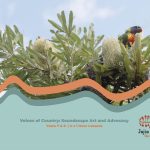
This unit invites students to connect with nature through sound, capturing and preserving the natural “voices” of Country. By creating soundscape-inspired art and learning about local government and conservation efforts, students will explore the role of advocacy in environmental protection and engage with initiatives aimed at preserving rainforest habitats.
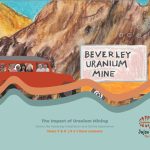
In this unit, students will explore the cultural, environmental, and ethical impacts of uranium mining, focusing on the Beverley Uranium Mine and other global examples.
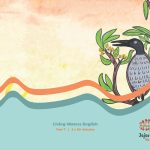
Explore the importance of water for First Nations peoples. The starting point for learning is through the representation of water in two Aboriginal creation stories. Students will examine the language used in descriptions of water, text types and illustrations used in the Nykina Creation story, Woonyoomboo: The Night Heron and the Waglik Creation story, Gandjalala: Sugar Bag Hunter. They will compare the ways water is described and the stylistic devices used in these stories with other pieces of literature.
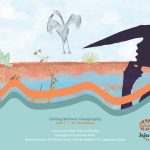
Explore the importance of water for First Nations peoples. The starting point for learning is through the representation of water in four Aboriginal creation stories. Students will explore the formation of the rivers and examine the economic, cultural and spiritual value of water for Nyikina, Gija, Wägilak and Bangerang people.
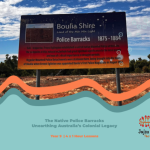
Students explore the historical impact of colonial regimes, including the Native Police Force. They critically examine the enduring effects of past policies and laws on contemporary social and cultural contexts and its relevance to present-day issues.
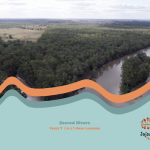
In this unit, students explore the importance of rivers for nourishing ecosystems and facilitating trade in First Nations communities both pre and post colonisation. They make diagrams, create comparative frameworks, and reimagine environmentally sustainable futures using digital design technologies
This unit provides students with the opportunity to investigate the materials used to create rope and other First Nations resources and to apply this knowledge when creating their own sustainably designed products. Be sure to explore the films in links in the Tools and Technology Discovery Map