Search Results
Ghungalu Country is located in Central Queensland. Uncle Steven Kemp and Milton Lawton have shared their knowledge of local Ghungalu landscapes to ensure it is available to future generations.
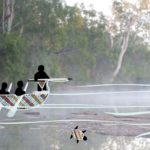
Liya Dhälinymirr clan is a part of Yolŋu Nation in north-east. We are from the Dhuwa moiety. Our homelands go from the Mitchell Ranges to Buckingham Bay and include Baḏaypaḏay, Gupawupa and Dhamiyaka.
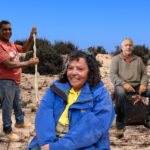
There are three Traditional Owner Groups of the Willandra Lakes region Barkandji, Muthi Muthi and Ngiyampaa, each group has unique characteristics regarding Language, Culture and Customs. These three Traditional Owner Groups all hold inherent creation stories which explain the origins and land formations that are today known collectively as the Willandra lakes.
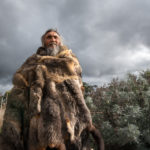
Jaara people are the Traditional Caretakers of the Mount Alexander Shire in Victoria, the family within the Mount Alexander Shire is the Nelson Family and our Elder is Uncle Rick Nelson.
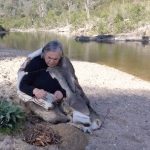
Gunaikurnai Country stretches across southeastern Victoria, from the southern coast and river systems of Gippsland to the mountains of the Victorian Alps. It is home to five clans: Brataualung, Brayakaulung, Brabralung, Tatungalung, and Krauatungalung.
For over 60,000 years, the Gunaikurnai people have cared for this Country, passing down stories, languages, and knowledge systems that guide sustainable living and cultural continuity. These stories remain central to identity, resilience, and connection with land, waters, and skies.
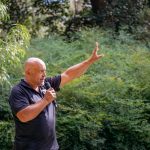
The Wurundjeri people take their name from the Woi-wurrung words wurun, meaning ‘Manna Gum,’ and djeri, the grub found in or near the tree. Known as the ‘Manna Gum people,’ the Wurundjeri have lived on their land for thousands of years. Wurundjeri Country spans diverse landscapes, including grasslands, volcanic plains, ranges, forests, wetlands, waterways, and the Sea Country of Port Phillip Bay. It stretches north to the Great Dividing Range, west to the Werribee River, south to Mordialloc Creek, and east to Mount Baw Baw.
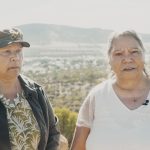
Ballardong Noongar Boodja spans a diverse region, including the towns of Northam, York, Beverley, Goomalling, Cadoux, Koorda, Wyalkatchem, Cunderdin, and Kellerberrin. This land is deeply tied to Noongar creation stories, including the path of the Wagyl, the Rainbow Serpent, who shaped the rivers, swamps, and waterholes that remain central to Noongar culture. The word “Noongar” means ‘a person of the south-west of Western Australia,’ and ‘Boodja’ refers to the land.
For thousands of years, the Ballardong Noongar people have lived on and cared for this land, passing down their cultural knowledge and responsibilities to ensure the well-being of Boodja for future generations.
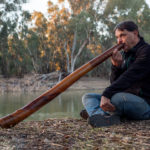
The Wamba Wamba people traditionally occupy both Victorian and New South Wales sides of the Murray river in the Murray and Lower Darling Rivers region. Deniliquin, Moulamein and Swan Hill are all within Wamba Wamba borders.
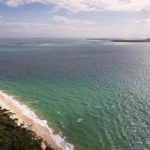
Quandamooka Country spans Moreton Bay, inclusive of many islands and the eastern coast of the mainland between Juno Point (Mouth of Brisbane River) and as far south as the Logan River.
In this series of activities, students watch the Taribelang Bunda story Wake Up Meebar and explore Meebar’s remarkable journey. They discover how sea turtles navigate across vast oceans to return home, then reflect on the meaning of home and belonging through personal reflection and an art work.