Search Results
Students explore the Gunaikurnai Creation story Borun and Tuk told by Hollie Johnson. They investigate local wildlife, and learn about First Nations perspectives on conservation through research, classification, and art.
Students explore the Gunaikurnai Creation story Mother Sky told by Alfie Hudson, learn about First Nations astronomy, identify constellations, and express their understanding through art, worksheets, and a Scratch coding activity.
Students explore the Gunaikurnai story Mother Sky to learn about First Nations astronomy, seasonal knowledge, and storytelling. Through film, yarning, art, and coding, they investigate how stars, seasons, and culture are deeply connected, and create their own seasonal calendars inspired by natural cycles.
The intended learning for the lesson: Students will conduct research to identify different sources of information and identify different points of view in order to distinguish facts from opinions. In doing so, they will interact and respect other people’s point of view.
In this unit, students will analyse films, conduct online research, and engage in creative writing to explore biographies, autobiographies, and memoirs. Inspired by the stories of Ballardong Noongar Elders, they will learn about life in 1960s Western Australia. Students will then write and publish their own biography, autobiography, or memoir, focusing on themselves or someone they value, deepening their sense of identity and understanding of others.
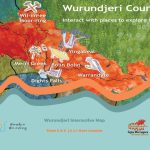
Students will engage with the Birrarung Multi-touch Book and specifically the Wurundjeri Interactive Map to explore significant places on Wurundjeri Country from pre-contact to today, researching native plants, traditional engineering, and cultural heritage. They will reflect on these insights and create poems, paintings, or stories showcasing their understanding of First Nations perspectives and connections to the land. This unit can be self-directed or taught as a class.
Students engage with the multi-touch book Birrarung and explore First Nations portraits to learn about Wurundjeri Ancestors and their role in shaping identity. They create a personal ancestry map or visual representation, reflecting on how their own Ancestors, wherever they are from, influence who they are today.
Students engage with the Birrarung multi-touch book, create story maps, and investigate the Yarra River Protection Act 2017 to learn about the Birrarung’s role in preserving cultural heritage and fostering a connection to Country.
Students explore First Nations languages, land, and culture through the Wurundjeri Multi-Touch Book Birrarung. They research language loss, create presentations on preservation efforts, and reflect on the connection between language, culture, and heritage.
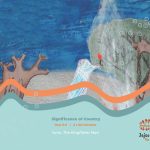
This session deepens students’ understanding of Yurlu, the Kingfisher Man and enables them to become familiar with features of Adnyamathanha Country. They will use the interactive map to learn about each stage of his journey. They will compare features of their own Country with that of Adnyamathanha Country and create a ‘map’ of their own Country.