Search Results
In this unit, students will analyse films, conduct online research, and engage in creative writing to explore biographies, autobiographies, and memoirs. Inspired by the stories of Ballardong Noongar Elders, they will learn about life in 1960s Western Australia. Students will then write and publish their own biography, autobiography, or memoir, focusing on themselves or someone they value, deepening their sense of identity and understanding of others.
Read More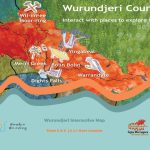
Students will engage with the Birrarung Multi-touch Book and specifically the Wurundjeri Interactive Map to explore significant places on Wurundjeri Country from pre-contact to today, researching native plants, traditional engineering, and cultural heritage. They will reflect on these insights and create poems, paintings, or stories showcasing their understanding of First Nations perspectives and connections to the land. This unit can be self-directed or taught as a class.
Read More
Students engage with the multi-touch book Birrarung and explore First Nations portraits to learn about Wurundjeri Ancestors and their role in shaping identity. They create a personal ancestry map or visual representation, reflecting on how their own Ancestors, wherever they are from, influence who they are today.
Read More
Students engage with the Birrarung multi-touch book, create story maps, and investigate the Yarra River Protection Act 2017 to learn about the Birrarung’s role in preserving cultural heritage and fostering a connection to Country.
Read More
Students explore First Nations languages, land, and culture through the Wurundjeri Multi-Touch Book Birrarung. They research language loss, create presentations on preservation efforts, and reflect on the connection between language, culture, and heritage.
Read More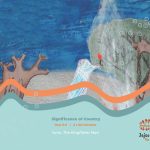
This session deepens students’ understanding of Yurlu, the Kingfisher Man and enables them to become familiar with features of Adnyamathanha Country. They will use the interactive map to learn about each stage of his journey. They will compare features of their own Country with that of Adnyamathanha Country and create a ‘map’ of their own Country.
Read More
Students explore First Nations’ Arts Practices in various communities. They see the weaving and painting practices of the Wagilak community and experiment with the process of botanical dyeing. They create their own unique artworks using natural elements.
Read More
Students gain insight into the cultural meaning of tribal markings and possum skin cloak making. They study the evolution of traditional clothing styles and materials into contemporary First Nations’ fashion designs that are sought after in mainstream markets.
Read More
Students explore Aboriginal and Torres Strait Islander sculptures and carvings. They gain insight into the history of Australia’s artefact collection practices in First Nations’ communities, including repatriation of sacred objects and ancestral remains. Be sure to explore the films and links in the Arts Discovery Map
Read More
Students engage with the Wamba Wamba multi-touch book and explore both Muyi Mir and Pondi stories. They gain an understanding of animal characteristics, habitats and behaviours. They research food chains, create artistic visual representations of the animals from the stories, and develop an appreciation for the cultural significance of native animals.
Read More