Search Results
Teacher will introduce the students to the Woonyoomboo stories and select one mini-story to act as focus. For the Nyikina people, Woonyoomboo is an important creation ancestor who has given knowledge to the Nyikina community. The teacher should be familiar with the Woonyoomboo story (songline).
Read More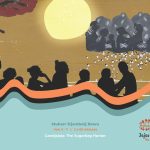
This Mukarr Djambatj song cycle is shared by the Liya Dhälinymirr clan. This story and history belongs at Badaypaday and is a part of a song cycle connected to The Giant Green Sea Turtle Hunters.
Read More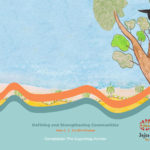
By mapping Gandjaḻaḻa’s journey and following the flight of the sugarbag bees, students learn how clan groups were named. They explore the difference between clan groups and build an understanding of the relationships between moieties and clan and language groups. Students consider the key ways that language binds the Wägilak community together, and why it is critical for their culture, identity and wellbeing.
Read More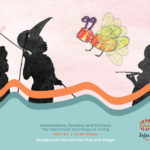
Students will build an understanding of culture and Country through exploring the
Jirraginy joo Goorrarndal: Frog and Brolga story and learning about Gija people. They will consider the significance of publicly sharing this creation story after the Gija people have shared it only with each other for thousands of years. Students will build meaning around
Jirraginy joo Goorrarndal: Frog and Brolga by learning about Gija people and Gija Country, its location and its characteristics, and the story which the Gija people have shared. Students research changes that have taken place both on Country and in ways of living today.
Read More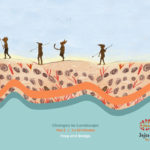
This focus area concentrates on the creation of Gija Country. It examines the change from a flat and featureless environment to one that now makes up the Region, as told in Frog and Brolga and the Interactive Map of Gija Country. Students consider the different landscapes and the effect each landscape may have had on the creation story and vice versa.
Read More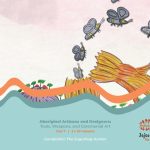
This focus area is an exploration of the art and design work in Wägilak communities. It examines the central role of art and design in Wägilak life, use of common symbols and individual or family variations. Students learn about cultural appropriation and the role of intellectual property laws. They investigate the importance of Aboriginal designs from a cultural standpoint and why designs cannot be copied or stolen. Students investigate the design features of the woomera, warriman spear, burrkuwurrku and ḏimbuka and compare these to similar objects from other cultures.
Read More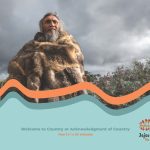
Understanding the difference between a Welcome to Country and an Acknowledgement of Country can help students recognise the diversity of Aboriginal Australia and the importance of continuing these practices today.
Read MoreCommunities SharingStories Foundation partners with First Nation communities to protect, maintain and grow languages, stories and cultural heritage. Our multi-touch books help capture and share…
Read More
SharingStories recently completed a case study in collaboration with the University of Queensland Critical Thinking Project and although we won’t divulge all the details here,…
Read More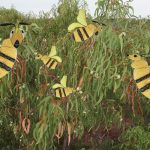
Wägilak Custodian Derek Waṉapuyŋu introduces us to the Gaḏayka Stringybark tree, which features in the story of Gandjaḻaḻa the Sugarbag Hunter.
Read More